How We
Choose
a
Leonrua Mating
Every Leonrua pairing is guided by rigorous health screening, genetic insight, and a deep respect for each dog’s unique qualities. Our process ensures each litter embodies the best of temperament, structure, and heritage.
The Chosen Pairing
Meet the Pair
Introducing our chosen sire and dam: each selected for health, temperament, and exceptional lineage.
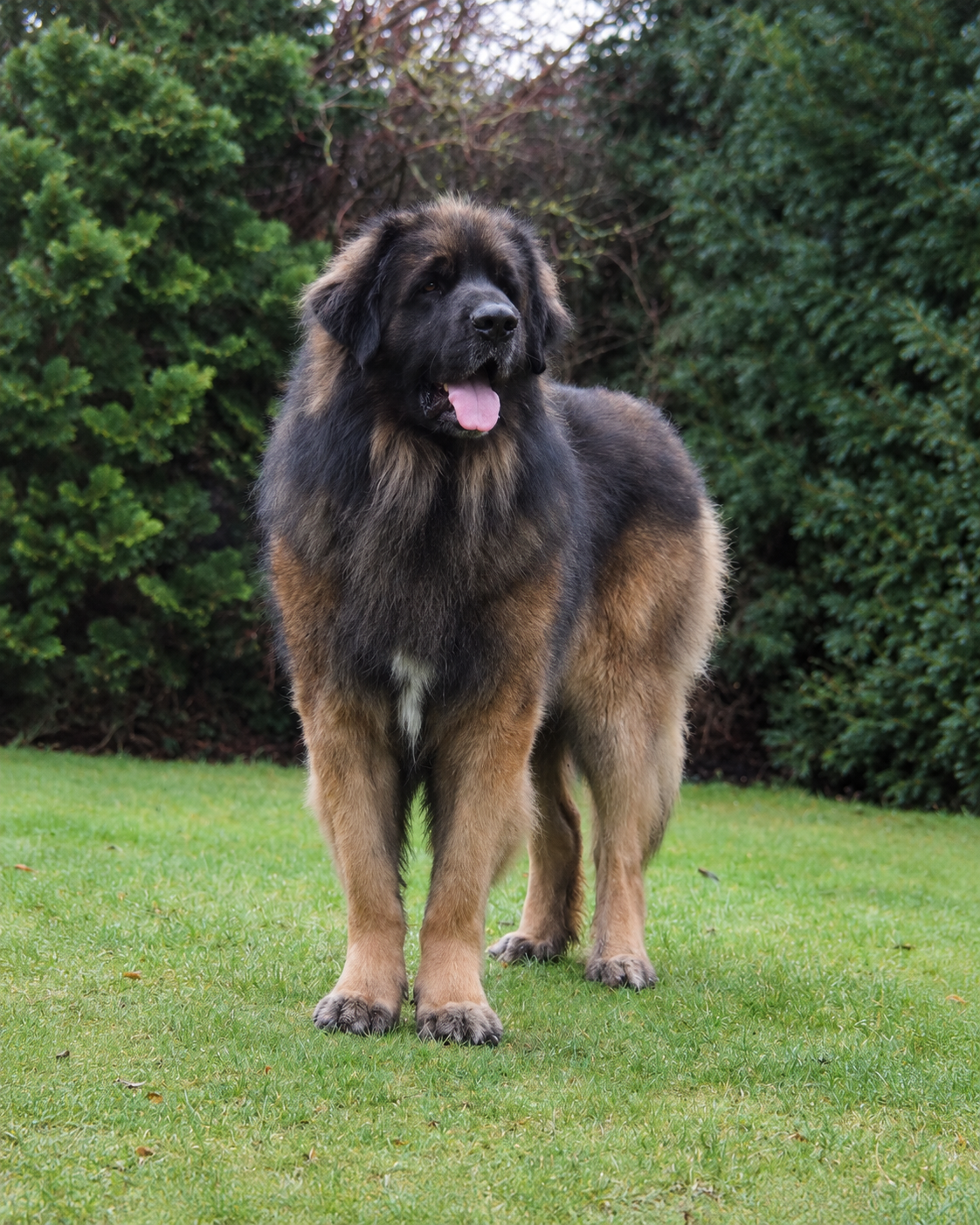 Sire
Int. Ch. Multi Ch. Int. Vet. Ch. Vet. Ch. Paco du Plateau Bavarois
A gentle, confident male with outstanding hip scores, clear eyes, and a calm, affectionate nature. Paco brings robust genetics and a proven show record.
COI 10 gen: 3.28% & COI All: 28.13%
- EyesECVO Clear incl. Gonioscopy
- HipsA
- ElbowsO
- LPN1N/N
- LPN2N/N
- LPN3N/N
- LEMPN/N
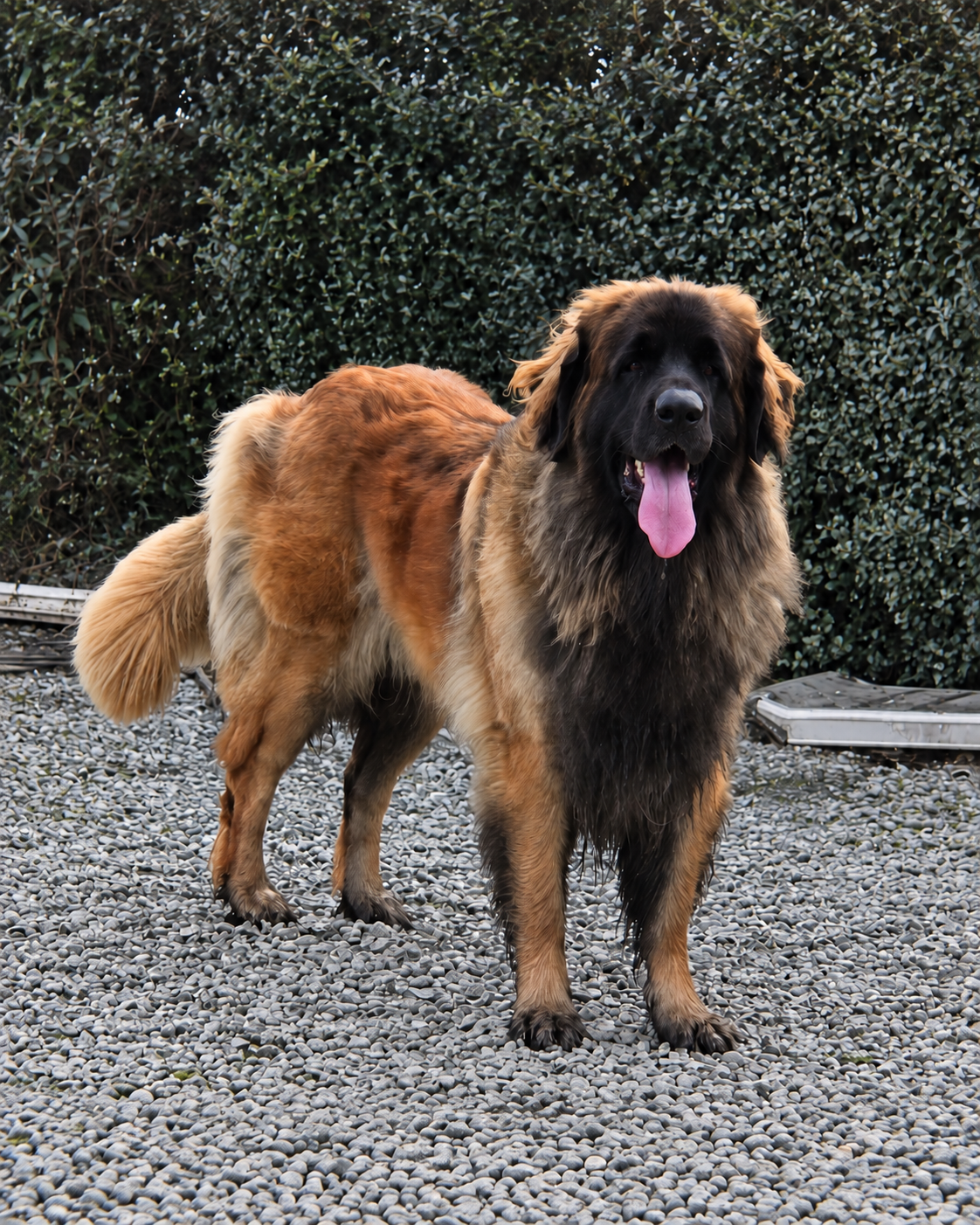 Dam
Leonrua Buir-Zuri
A nurturing, intelligent female with excellent health clearances and a playful, attentive temperament. Zuri’s pedigree is rich in longevity and soundness.
COI 10 gen: 2.93% & COI All: 29.17%
- EyesClear excl. Gonioscopy
- HipsPenn Hip: 0.22/0.21
- ElbowsO
- LPN1N/N
- LPN2N/N
- LPN3N/N
- LEMPN/N
How We Make the Decision
The Breeding Decision Journey: Step by Step
Follow our carefully structured journey as we evaluate each Leonrua pairing. From health screenings and genetic diversity to temperament and compatibility, every step is guided by our dedication to producing exceptional Leonbergers with sound minds and bodies.
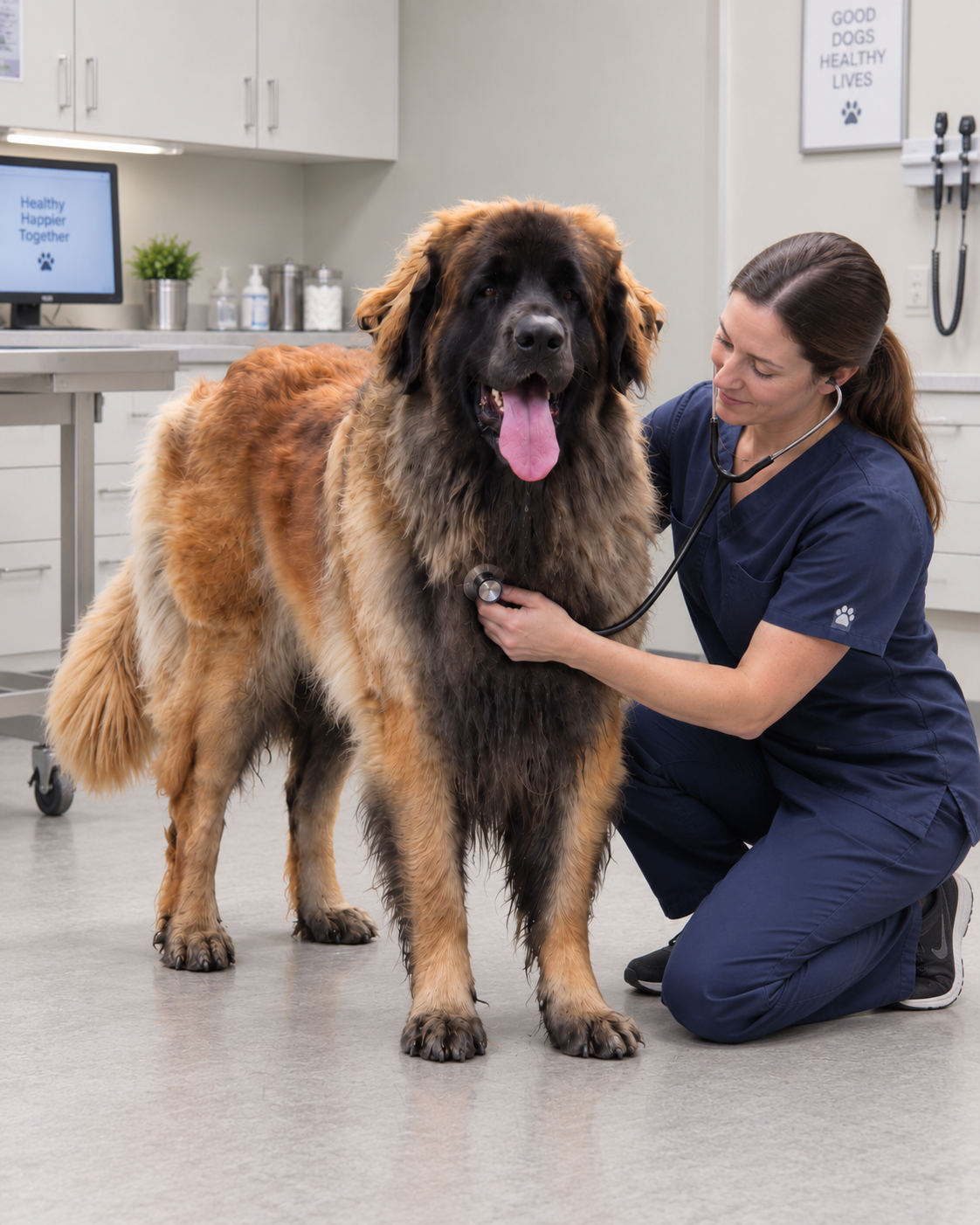
Comprehensive Health Screening
We begin with thorough health assessments, including hips, elbows, eyes, and advanced genetic testing, ensuring each dog meets the highest standards before moving forward in our breeding process.
Genetic Diversity & Pedigree
We prioritise genetic diversity by carefully reviewing pedigrees and selecting pairings that strengthen the breed’s vitality, reduce inherited risks, and honour the Leonrua legacy. We use the Worldwide Independent Leonberger Database extensively to trial pedigrees of potential matings.
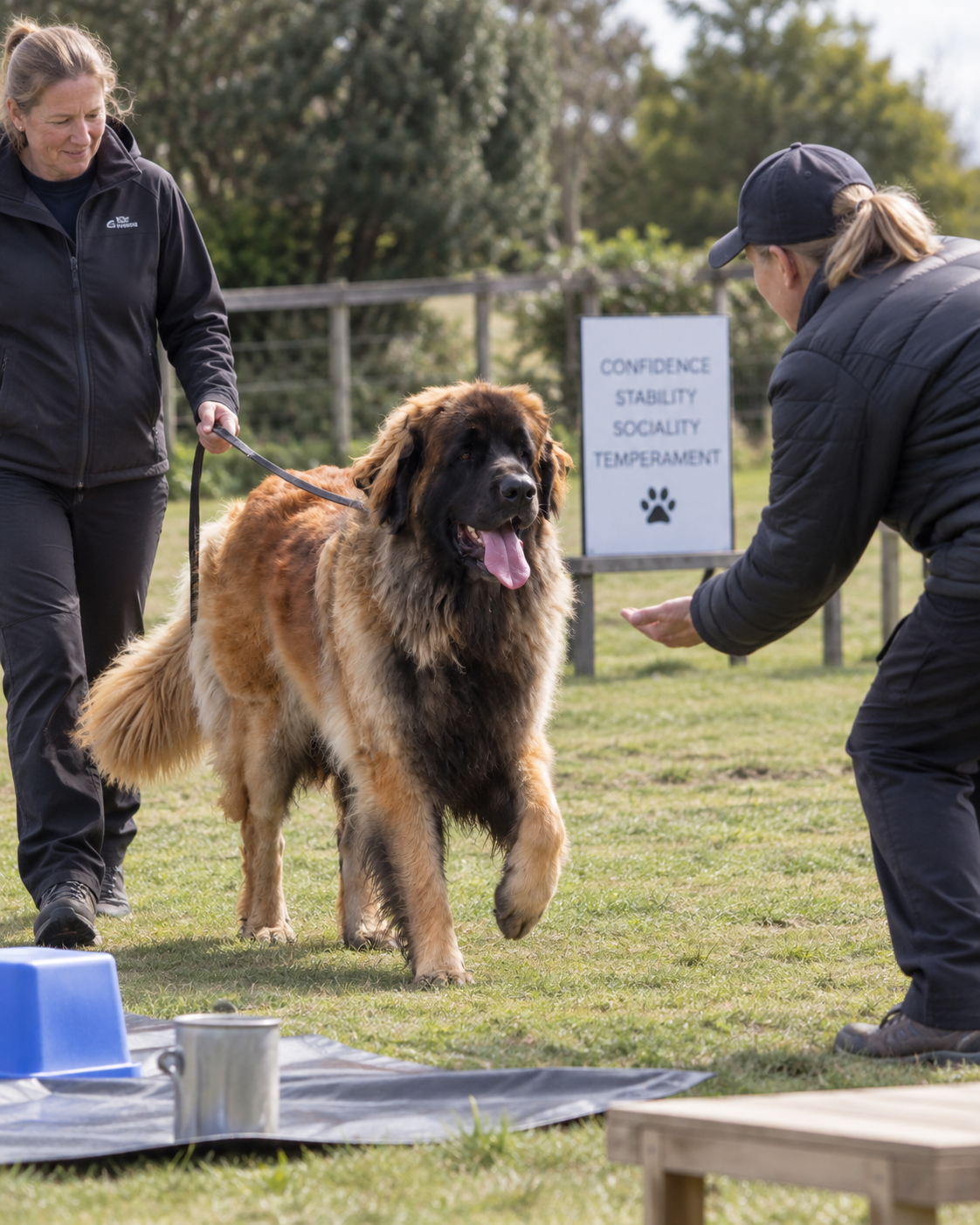
Temperament & Compatibility
Temperament is at the heart of our decisions. We observe each dog’s personality, social interactions, and compatibility to ensure future puppies will thrive as beloved companions.
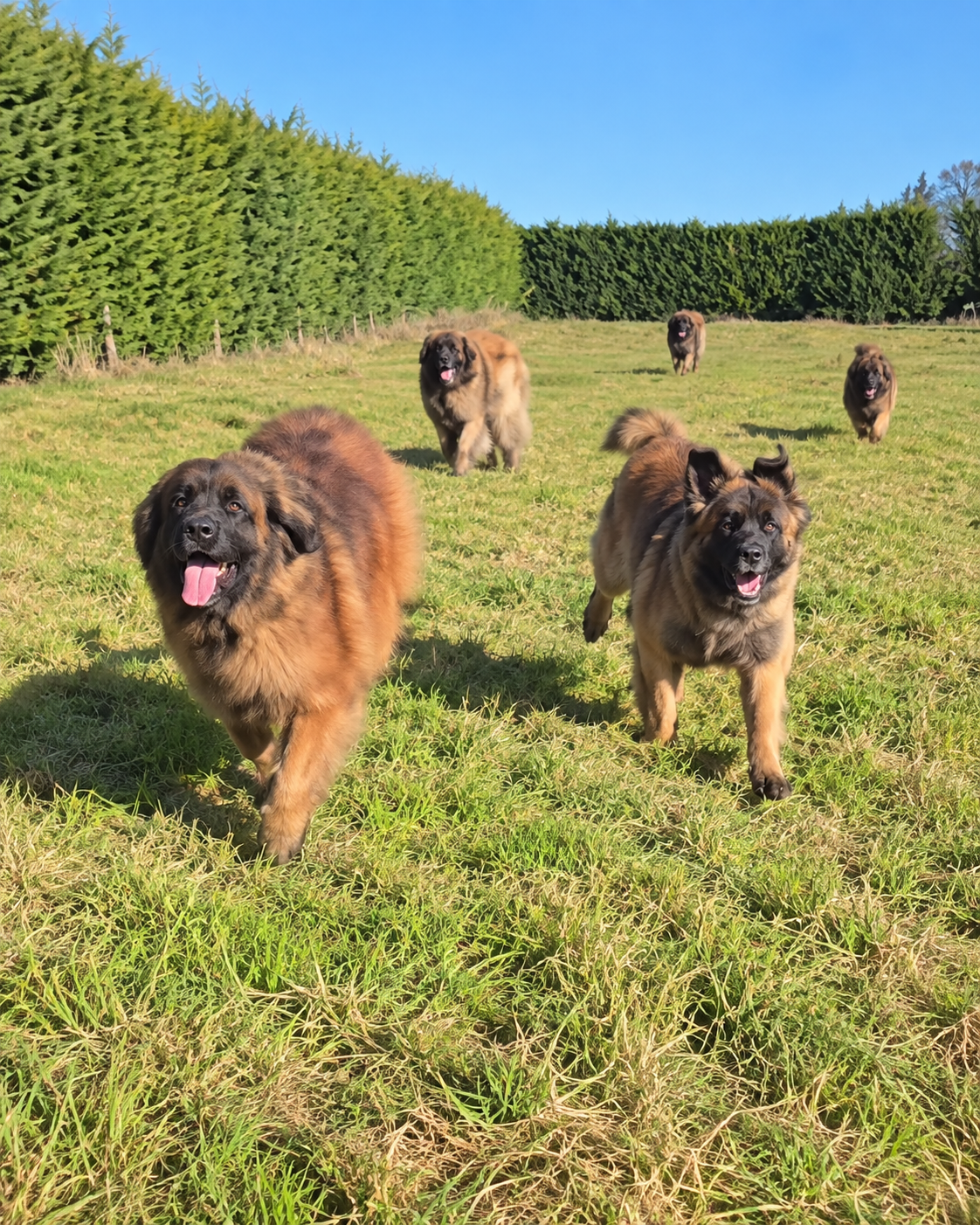
Our Breeding Philosophy
Our Commitment to Quality and Care
At Leonrua Leonbergers, we prioritise natural health, temperament, and responsible breeding practices to ensure our dogs are happy, healthy, and well-adjusted family members. Our dedicated team works tirelessly to uphold the highest standards of quality and care. Our goal is to increase the genetic diversity of Leonbergers in New Zealand for years to come.
Thoughtful Pedigrees
We look beyond individual dogs to the families, ancestors and combinations behind them.
Genetic Diversity
Coefficient of inbreeding and shared ancestry form part of our breeding decisions.
Health & Temperament
Health information, temperament and soundness matter alongside breed type.
The Whole Leonberger
Our goal is a healthy, confident and well-adjusted Leonberger that can thrive as part of a family.
Health Comes First
Comprehensive Health & Genetic Test Comparison
We provide a transparent side-by-side overview of both sire and dam health results, including hips, elbows, eyes, and advanced genetic screenings. All data is sourced from certified veterinary reports and official registries for your peace of mind.
Hips & Elbows
OFA, FCI, PennHIP and Lavelle results are reviewed as part of our breeding decisions, with official results checked where available.
Eyes
Ophthalmologist examinations form part of our assessment, with hereditary eye concerns considered before a mating proceeds.
Genetic Tests
Breed-specific genetic screening is reviewed alongside the wider health picture, with results available for prospective owners to see.
Open Records & Transparency
Worldwide Independent Leonberger Database
Transparency matters to us. The health testing results for dogs in our breeding programme are available through the Worldwide Independent Leonberger Database, giving prospective owners and other breeders direct access to the information behind our breeding decisions.
We believe open health records support more informed choices, both when planning matings and when choosing a Leonberger puppy.
Looking Beyond One Generation
Genetic Diversity & Lineage Considerations
We carefully analyse each Leonberger’s genetic profile to support a diverse gene pool and robust lineage. By prioritising genetic variation, we aim to reduce inherited health risks and support the long-term vitality of the breed. Every pairing is considered with future generations in mind.
Genetic Variation
Each pairing is selected to maximise healthy diversity within the Leonrua line.
Lineage Mapping
Detailed pedigree analysis helps us identify shared ancestry, avoid unnecessarily close pairings, and preserve valuable lines.
Future Health
Our approach looks beyond a single litter and considers the genetic health and resilience of future generations.
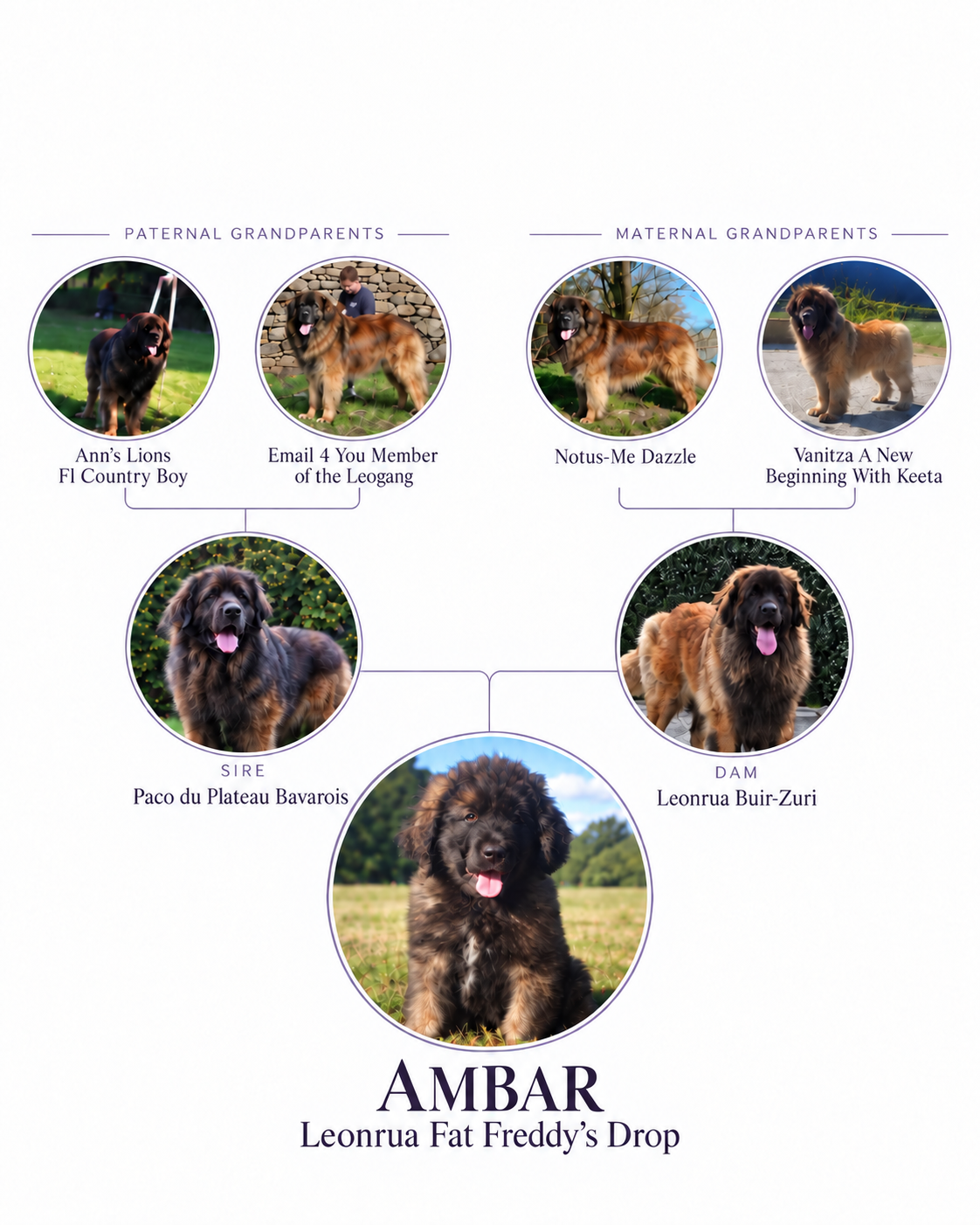
Ambar’s pedigree illustrates the ancestry considered when assessing a potential pairing.
Understanding Shared Ancestry
What Does CoI Tell Us?
The Coefficient of Inbreeding (CoI) measures the probability that a dog has inherited two copies of the same gene from a shared ancestor appearing in both sides of its pedigree. In practical terms, it gives us a way of describing how much common ancestry exists behind a mating.
Less shared ancestry
A lower value generally indicates that the sire and dam share fewer recent ancestors and that the resulting pedigree contains greater genetic diversity.
More shared ancestry
A higher value indicates that more ancestors occur on both sides of the pedigree, increasing the likelihood that identical ancestral gene copies are inherited.
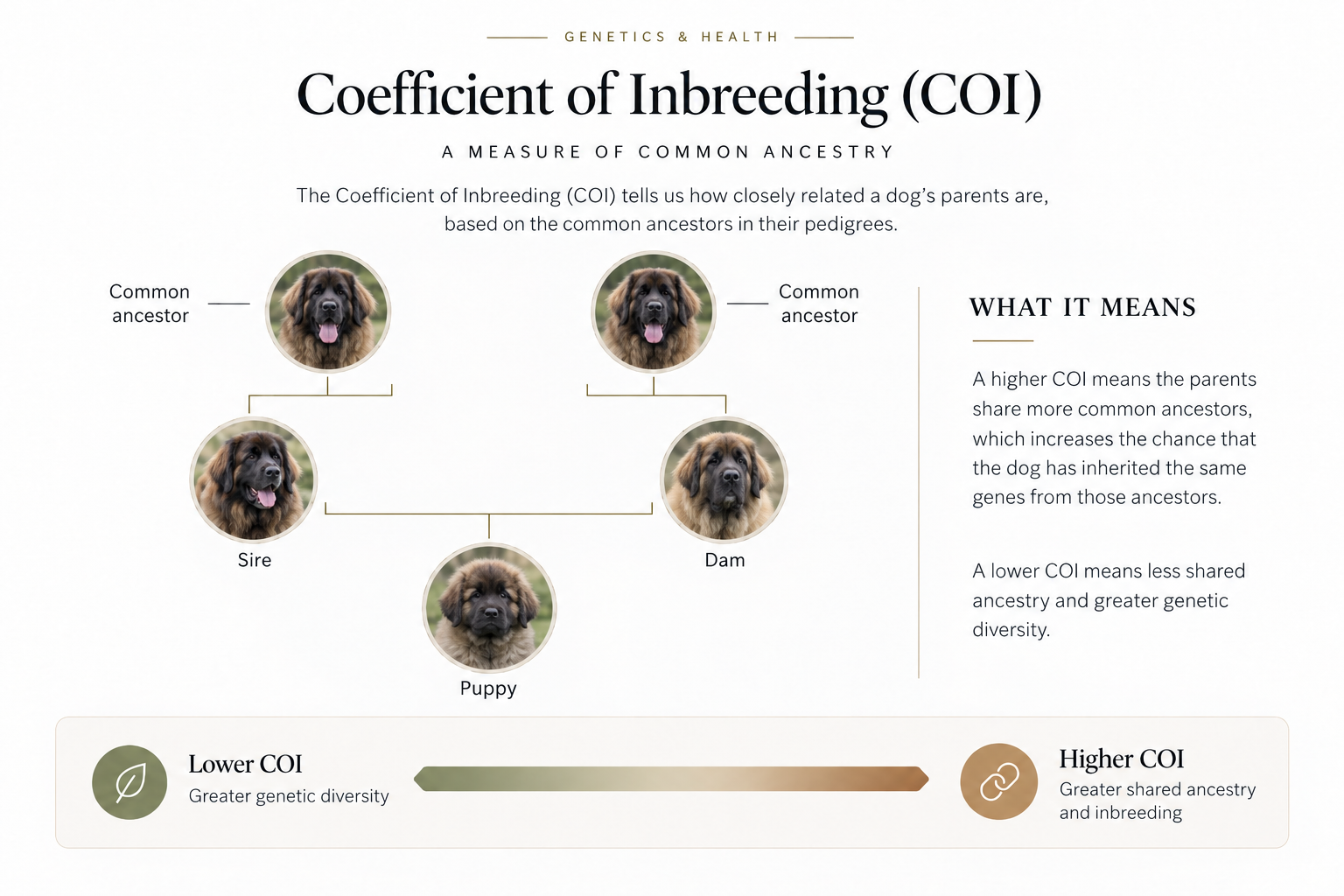
CoI estimates the probability that matching copies of a gene have been inherited from a shared ancestor.
Ambar’s Pedigree
Explore the Bloodlines Behind Ambar
Trace the dogs and bloodlines behind Leonrua Fat Freddy’s Drop (Ambar). Switch between three, five and ten generations to see how her immediate family expands into the wider pedigree considered when assessing ancestry, shared lines and genetic diversity.
The Proposed Pairing
The Strength Behind the Pairing
A closer look at the qualities, pedigree and genetic contribution Paco and Zuri each bring, and why their strengths complement one another in this proposed mating.
Paco
What he brings
Strengths within the pairing
- Temperament Calm, gentle, friendly and quietly confident.
- Health Strong health-testing results.
- Conformation Proven breed type, soundness and movement, with multiple championship, CACIB and Best of Breed awards across Europe.
- Pedigree Important European lines not currently represented in New Zealand.
- Genetic contribution Adds valuable diversity to the New Zealand Leonberger gene pool.
Zuri
What she brings
Strengths within the pairing
- Temperament Calm, confident, affectionate, energetic and a proven mother.
- Health Strong health-testing results.
- Conformation Excellent structure, substance and rich red colouring, with a deep black mask, chest and mane.
- Pedigree Strong European show lines not previously represented in New Zealand.
- Genetic contribution Introduces new bloodlines and broadens local genetic diversity.
Why This Combination?
Paco and Zuri were selected because their strengths complement one another across temperament, health, conformation and pedigree. Just as importantly, both bring bloodlines that are new to New Zealand, creating an opportunity to broaden genetic diversity rather than further concentrate the lines already established here. The pairing is considered as a whole, including coefficient of inbreeding, pedigree depth and the long-term genetic contribution of both dogs.